Circular economy in Bahrain
Turning Bahrain’s food waste into healthy soil
Project Wasteless transforms food leftovers from restaurants, hotels and landscapers into premium organic compost — reducing landfill waste and building a greener, cleaner Kingdom.
Our objectives
A self-sustaining model that delivers environmental results and business value at once.
Sellable end products
Food and green waste become compost, worms and liquid fertilizer.
Less landfill waste
A meaningful cut in landfill volume and methane emissions.
Aligned with national strategy
In line with Bahrain Vision 2030 and the National Environment Strategy 2023–2035.
Multi-stream revenue
The operator projects 60–80% annual returns across multiple revenue streams.
Education and CSR
School programmes and corporate CSR engagement with measurable ESG results.
Local jobs
More than 20 local jobs as operations scale.
Closing the loop
Four steps from kitchen leftovers to living soil.
- 01
Collection
Partner restaurants and hotels place food waste in dedicated bins. Our team collects one to two times a week — free of charge.
- 02
Processing
Food and green waste are transformed with Hungarian-patented vermicomposting and bio-bacteria technology that works 3–4× faster than natural composting.
- 03
Distribution
Finished compost, worms and “vermi-juice” liquid fertilizer go to farmers, landscapers and private gardens — replacing imported soil products.
- 04
Impact
Every ton collected cuts landfill volume, prevents CO₂ and methane emissions, and creates healthy soil for Bahrain’s green landscapes.
The goal in numbers
- Thousands
- of tons diverted from landfill every year
- 3–4×
- faster composting with bio-bacteria
- 0+
- local jobs
- 10–12
- weeks to finished premium compost
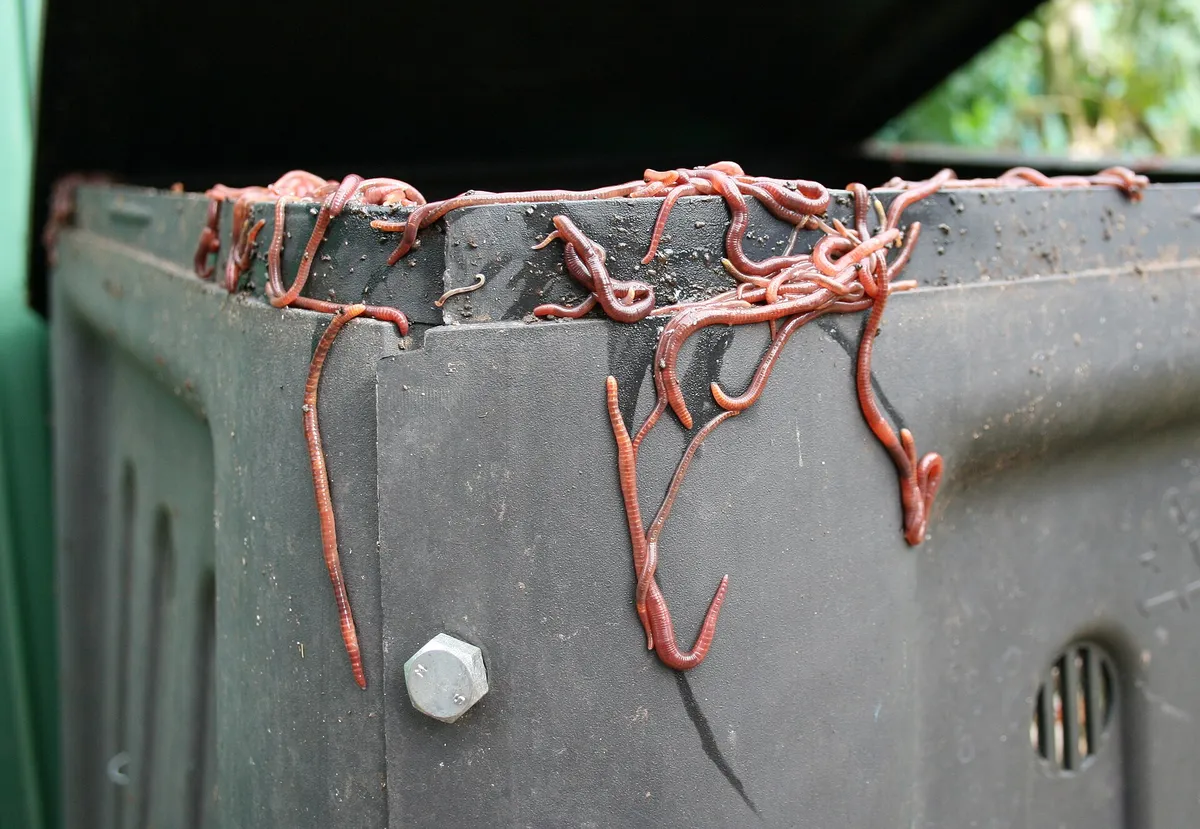
Vermicomposting
Technology
Hungarian-patented vermicomposting and bio-bacteria — proven to work even in extreme Bahraini conditions.
- A special worm species that thrives from −15 °C to +60 °C
- Premium compost in 10–12 weeks, even in Bahrain’s climate
- The worms themselves are a sellable product

Let’s build Bahrain’s circular future together
A restaurant, hotel, landscaper or investor? Let’s talk about what Project Wasteless can do for you.